


Thursday, October 22, 2026
|
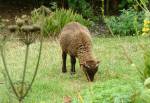
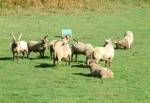
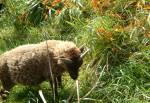
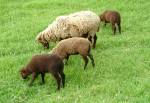
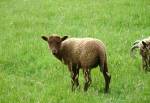
You are here: Isle of Man > Information > People and Living Loghtan SheepThe BreedThe Loghtan sheep is a native Manx breed. It almost died out in the 1950's, but now there are many thriving flocks across the British Isles. Loghtan is an unusual breed given that both sexes have the tendency to produce two or three pairs of horns. The ewe (female) horns are small, but the ram (male) horns are strong and long. A sturdy and rugged breed, which has a long ancestry on the Island of Man. The name "Loghtan" is believed to come from the Manx words lugh (meaning mouse) and dhoan (meaning brown). This name could be referring to the light brown fleece, which most of the sheep grow. Once the sheep would have been seen along the mountains and hills in white, grey and black, but now only the brown ones remain. Lambs are born black but change from 2 weeks old to brown. Loghtans have no wool on their legs or face and are similar to the northern short tail breeds.Loghtan wool is normally left undyed and used to weave lightweight garments. Manx tartans are also made from this wool. Loghtan mature at 15 to 18 months and are normally fed on natural mountain herbage. Their meat is a dark and low in both fat and cholesterol. It cooks at 165C for 30 minutes per pound. Statistics
|
     |
||||||
Other Guides by Maxima Systems Ltd: Disney World